A method, not a deal.
A developer is measured not by the biggest project on the page but by what they repeat. We repeat three things: buy land at the price of its current use, pull out the entitlements the statute allows and the market hasn’t priced, and build from the ground up — the same two people, from signature to delivery. The projects on this site are not a menu. They are one cycle, at different stages.
Three layers
Acquire
The price follows what the asset does today, not what it could do. We don’t buy a finished yield — someone else has already been paid for that.
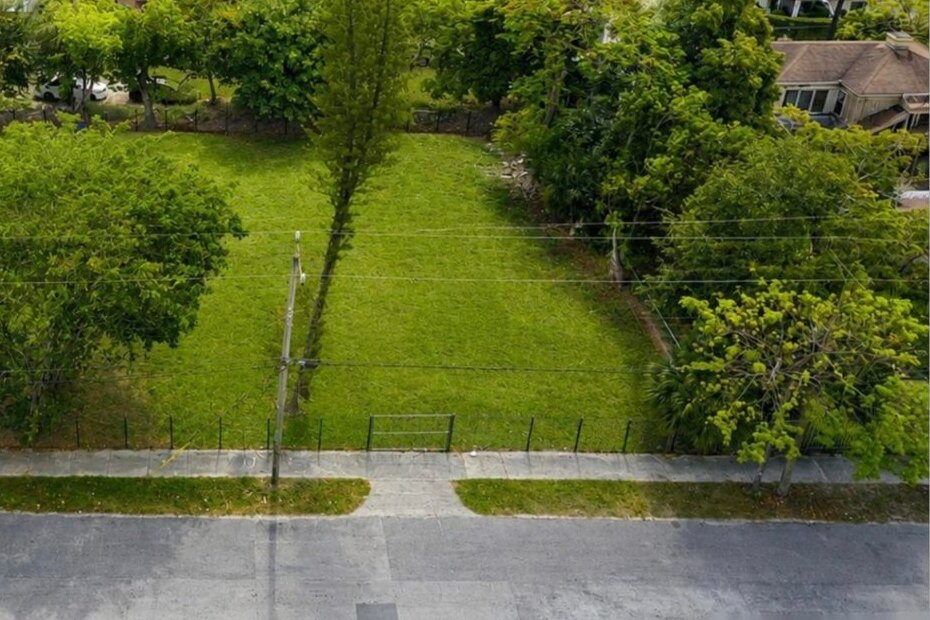
Entitle
This is where most of the value is created. Zoning, density, permits and the relief the statute allows — that the seller, the bank and the market never priced in. It is the layer you cannot buy; you can only make it.
Build
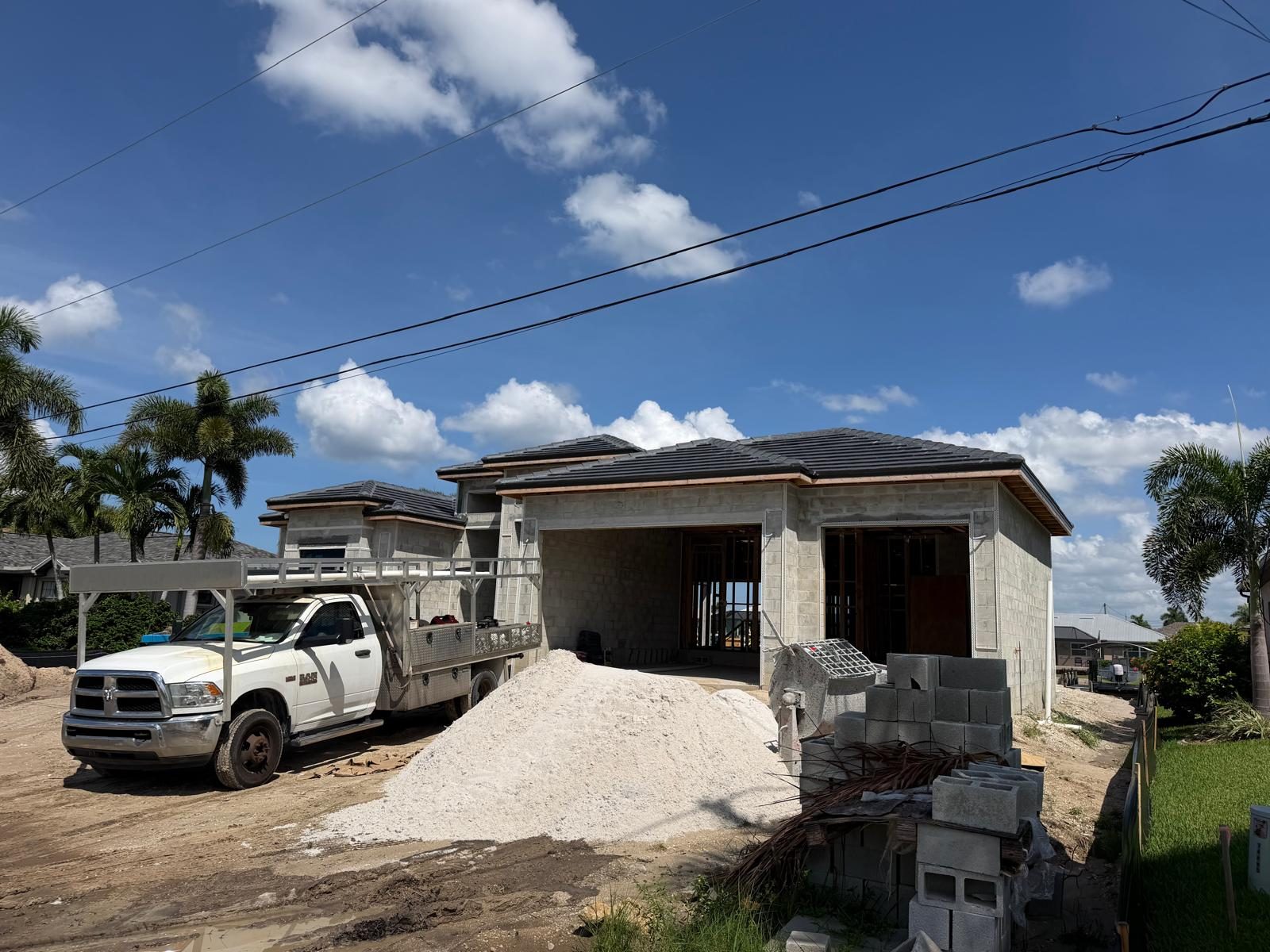
From the ground up, with one of us on site every week. Not a rehab of an old building, and not supervision by phone from another time zone.
What we don’t do
- We don’t rehab old buildings as a core strategy.
- We don’t buy stabilized yield. The development margin is made, not bought.
- We don’t offer deals on an open page. An offering, if and when, is made in a closed channel to accredited investors only.
- We don’t promise returns. Not on a page, not on camera, not in a call.
- We don’t name competitors, funds or managers. Mechanisms, yes. Names, no.
Why ground-up — and what it costs
Ground-up development creates a structural gap between cost and value, and in exchange it carries more execution risk than buying an existing asset: delays, overruns, trades, inspections. That is not a marketing caveat — it is the definition of the product. The risk doesn’t disappear; it is managed, and the person managing it here stands on the site, not in a deck. Which is why the right question is not whether the model is “right.” In investing there is no right — there is suitable. A model with execution risk and a long horizon suits patient capital that understands why it is being paid a margin, and does not suit anyone looking for a monthly distribution. Who absorbs first when something goes wrong — that is what the Seven Questions are for. Including when the sponsor is us.
What each project proves
One project proves luck. The same cycle running at several stages proves a method. The detail is on the Projects page.
Execution from dirt to keys
Cape Coral · block & roof complete
Entitlements pulled out of raw land
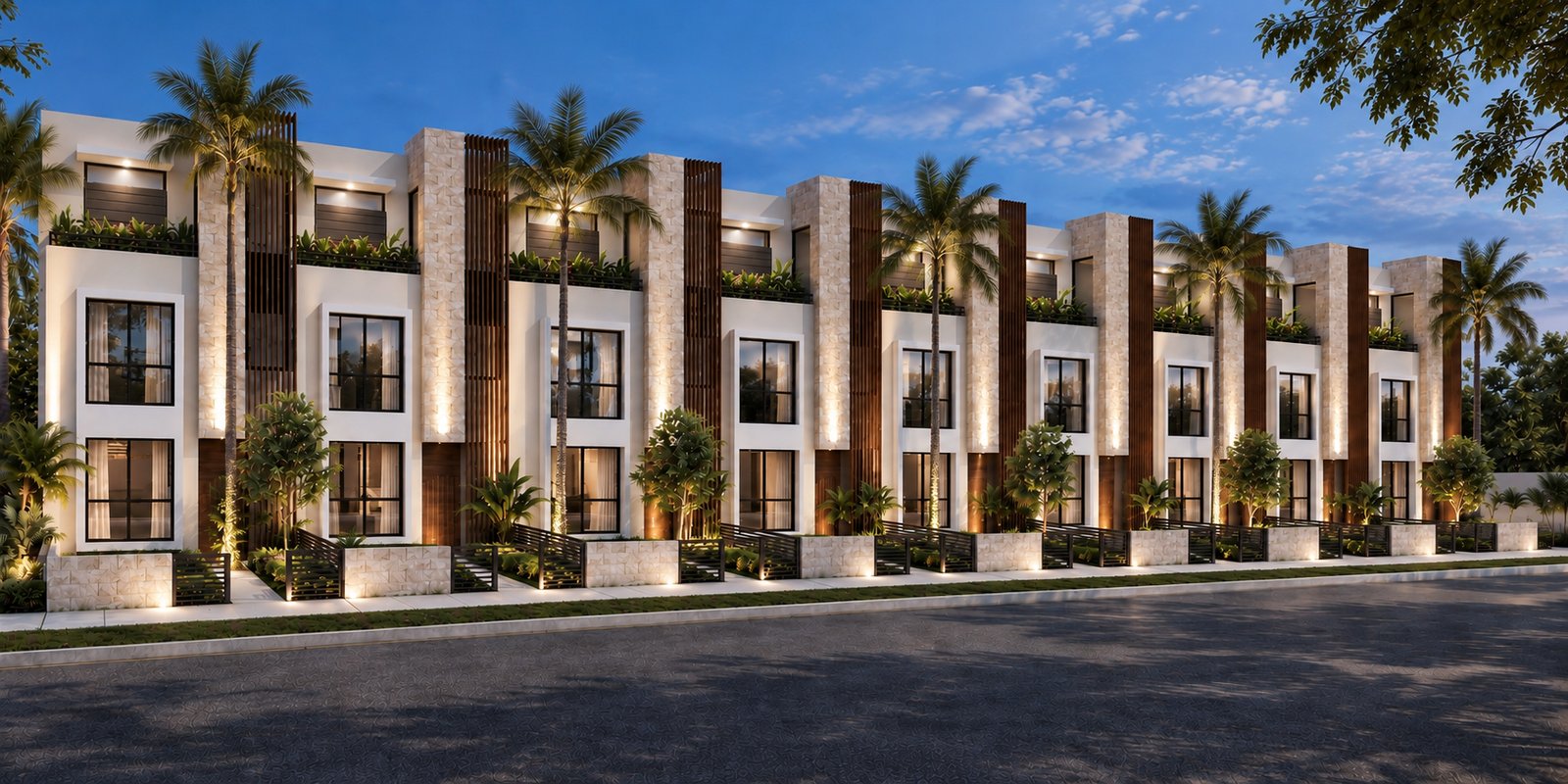
Townhomes · 9 · entitlements & planning
The cycle doesn’t stop
Next · Cape Coral & Miami · in the pipeline
Why Florida, and why these three counties?
The focus: the three counties from Miami-Dade to Palm Beach. The west coast: Cape Coral, Fort Myers, Naples. Same state, same statute — and two completely different demand engines. The difference between them is a good part of what we teach.

Why is the same law a gift on one street and a cost on the next?
Florida’s Live Local Act lets residential density go onto commercial, industrial or mixed-use land by administrative approval, with no rezoning hearing, in exchange for a commitment that at least forty percent of the units are rent-restricted for thirty years. The property-tax exemption is a separate statute with its own threshold, more than seventy affordable units, so it is not part of the arithmetic on a small project. What most explanations miss: the restricted rent comes from a county-wide income table, not from the street. So the identical statute is a gift in one neighborhood and a cost in another, a few miles apart. That arithmetic is done before the land is bought, not after. This is education; a project’s terms and numbers are not on an open page.
« That’s the underwriting. »
Before the next conversation with a sponsor
Seven questions. Bring them to every table, including ours.