We build in Florida. We show the underwriting.
We buy land at the price of its current use, pull out the entitlements the statute allows and the market hasn’t priced, and build from the ground up. The developer and the sponsor are the same two people — one at the desk in Israel, one on the site in Florida. And we publish the whole account — including what didn’t go to plan.
This site presents the company and its method. It is not an offer of securities.
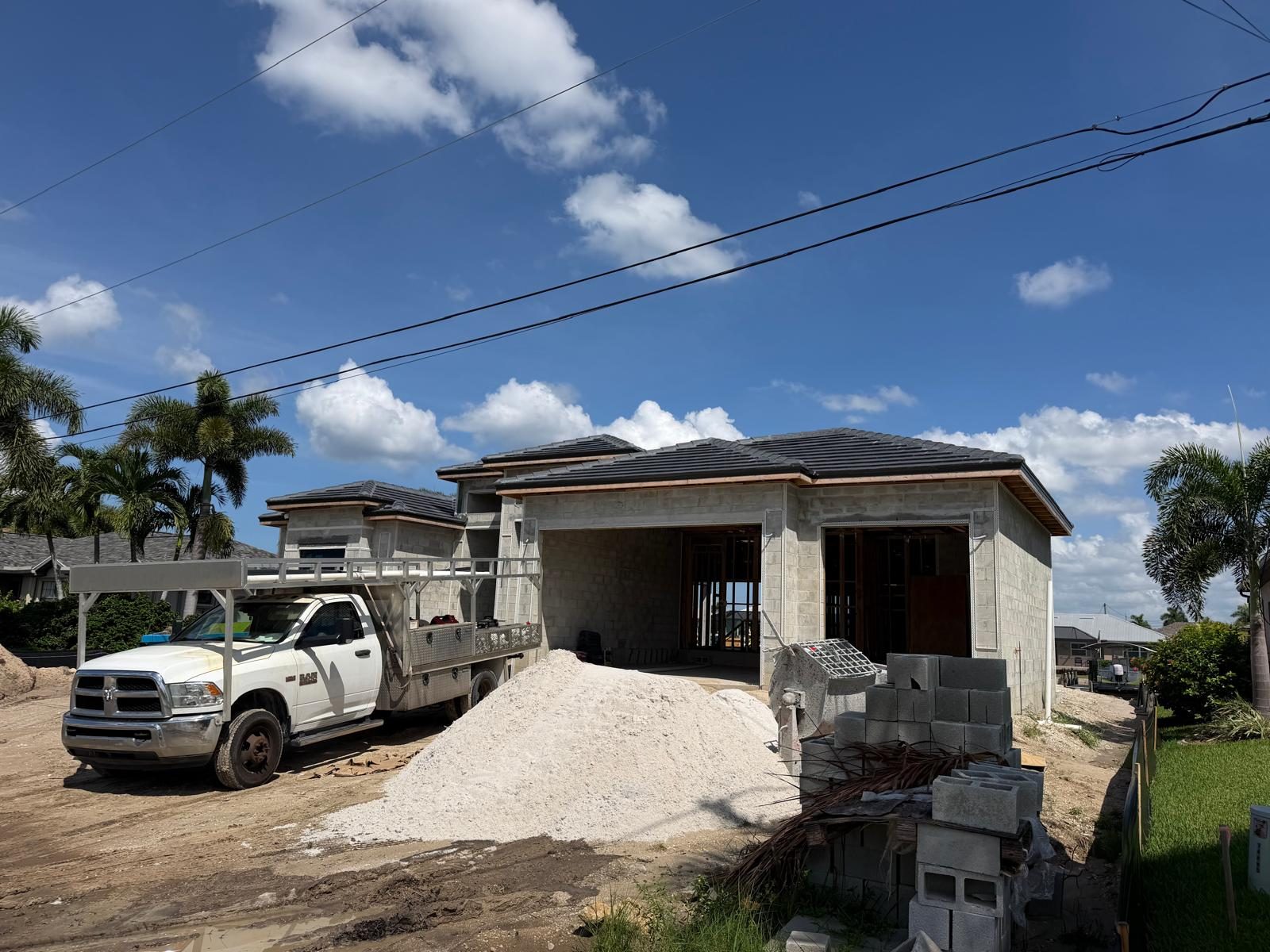
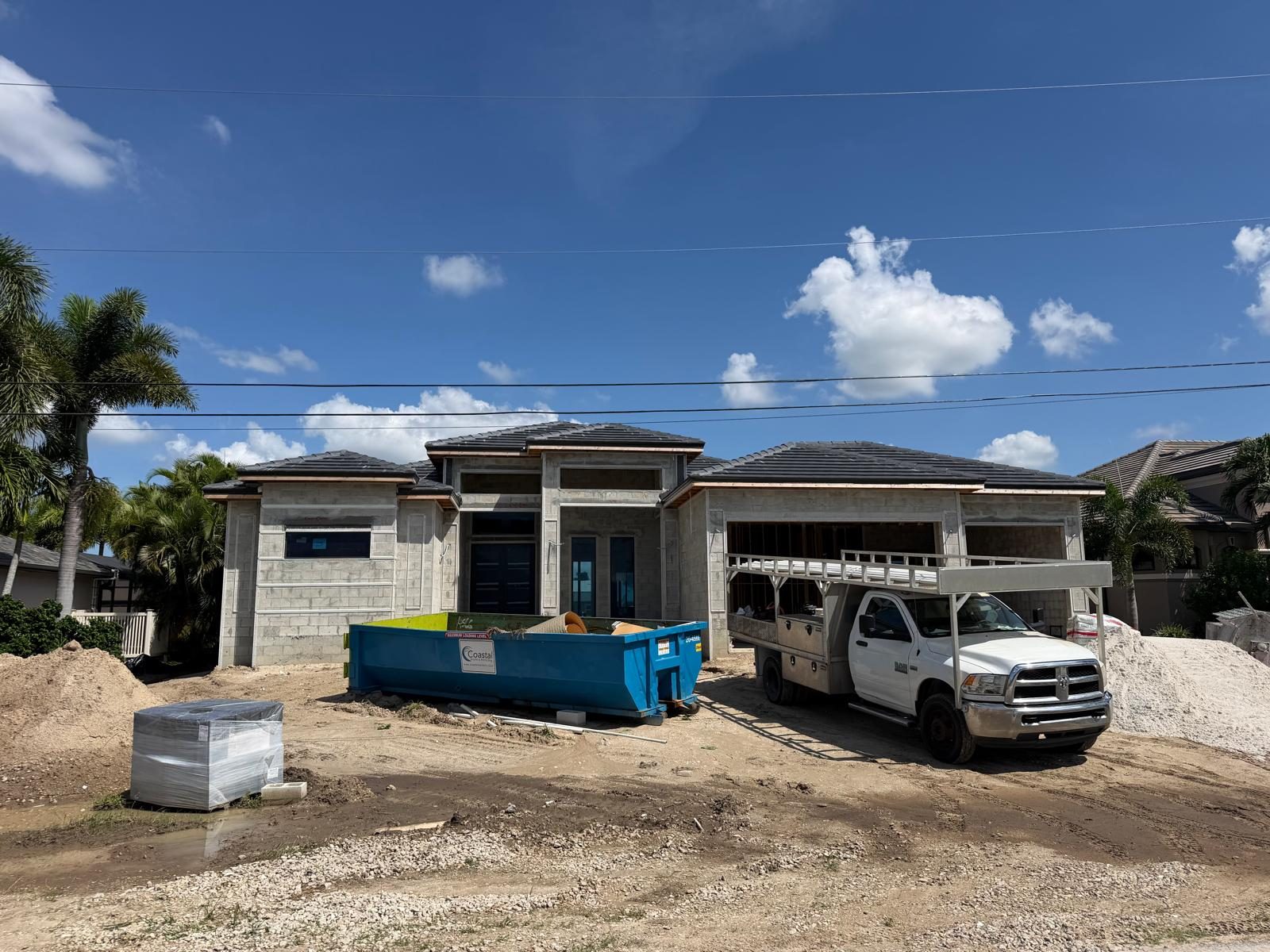 Site photo
Who is on site when something goes wrong?
Almost every structure gives you one side of two. The question an allocator asks is who holds the underwriting when something goes wrong — and which continent they sit on.
A desk abroad, and nobody on the dirt.
Capital and accountability sit in Tel Aviv or New York. The building happens in Florida, through a layer of local managers none of the investors have met. When the schedule breaks, the news arrives in the quarterly report.
“Boots on the ground,” and no desk behind them.
“Boots on the ground” is usually a title, not a person: a supervisor reporting to someone, who reports to someone else. No structure, no real reporting, and nobody to sit across from when a term needs to change.
The same two people, on both sides.
Ido at the desk in Israel — capital, underwriting and the investor. Yotam on the ground in Florida — not as a title but as an owner: the permits, the contractors and the schedule are his. A 50/50 partnership, with no third layer between the investor and the underwriting.
Where does the margin actually come from?
Acquire
Land or a building at the price of its current use. We don’t buy entitled density — we create it.
Entitle
Where most of the value is made: what the statute already permits and the market hasn’t priced yet.
Build
From the ground up, with one of us on site. Not a rehab of an old building.
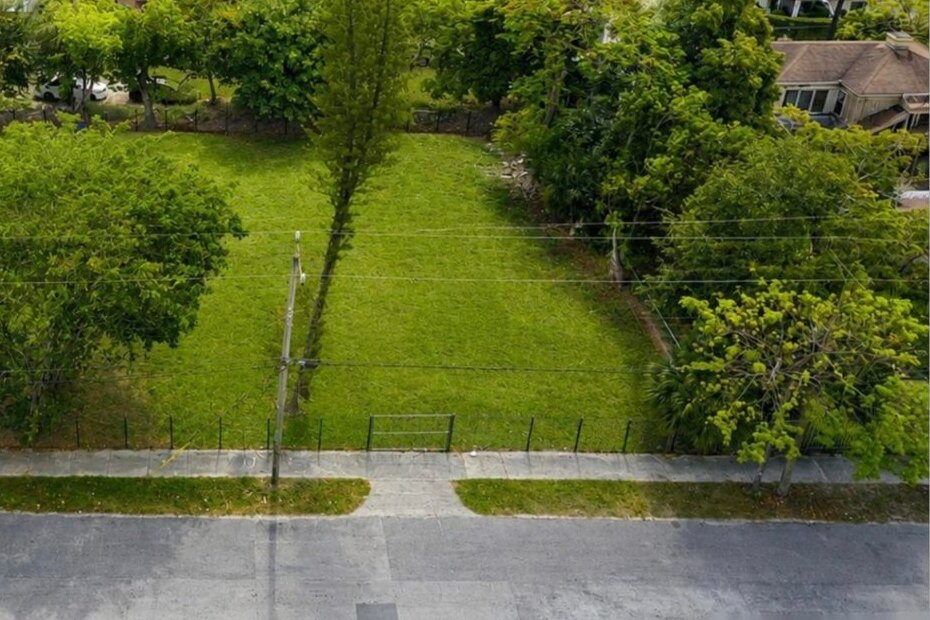
Luck, or a method?
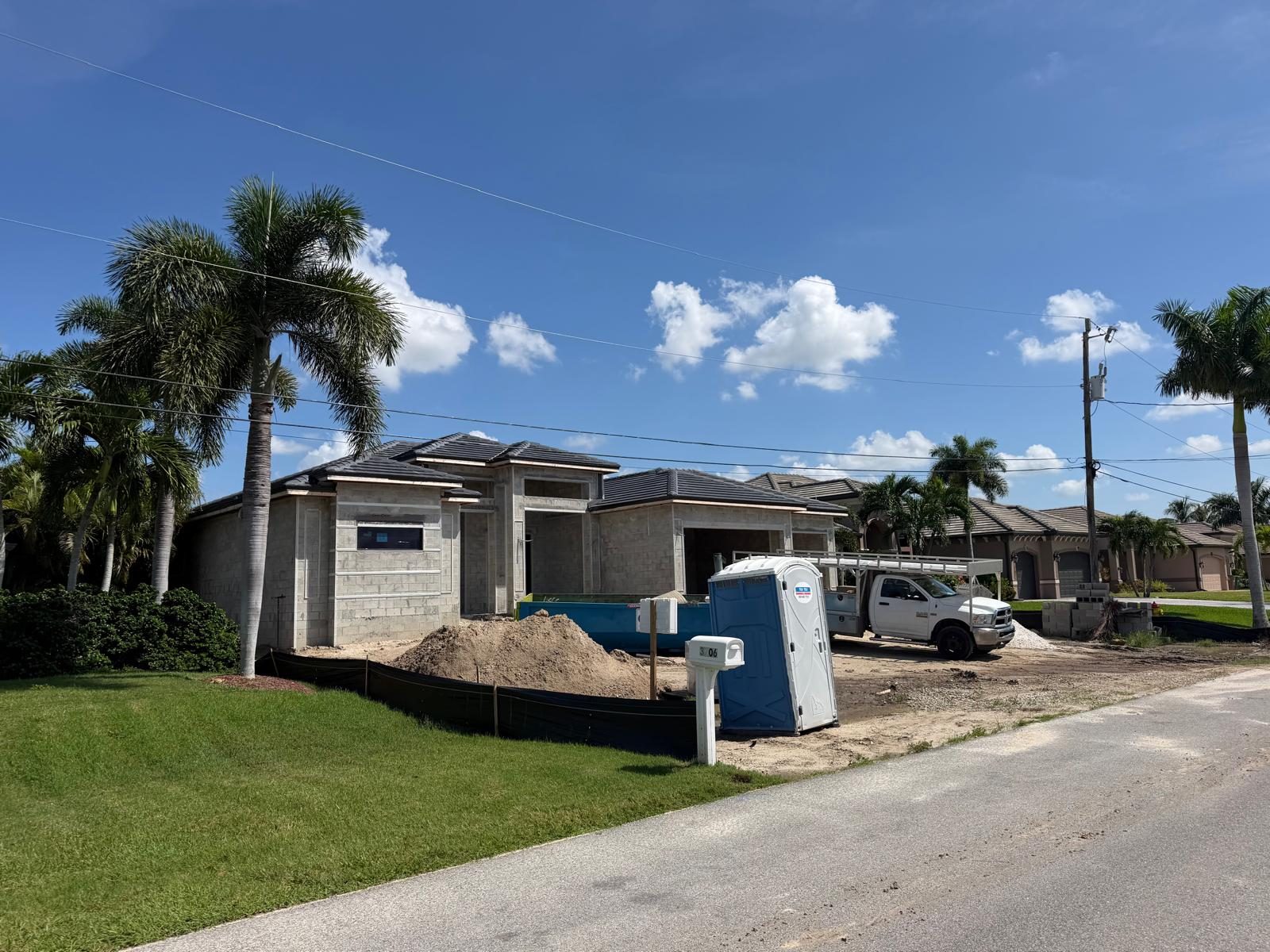
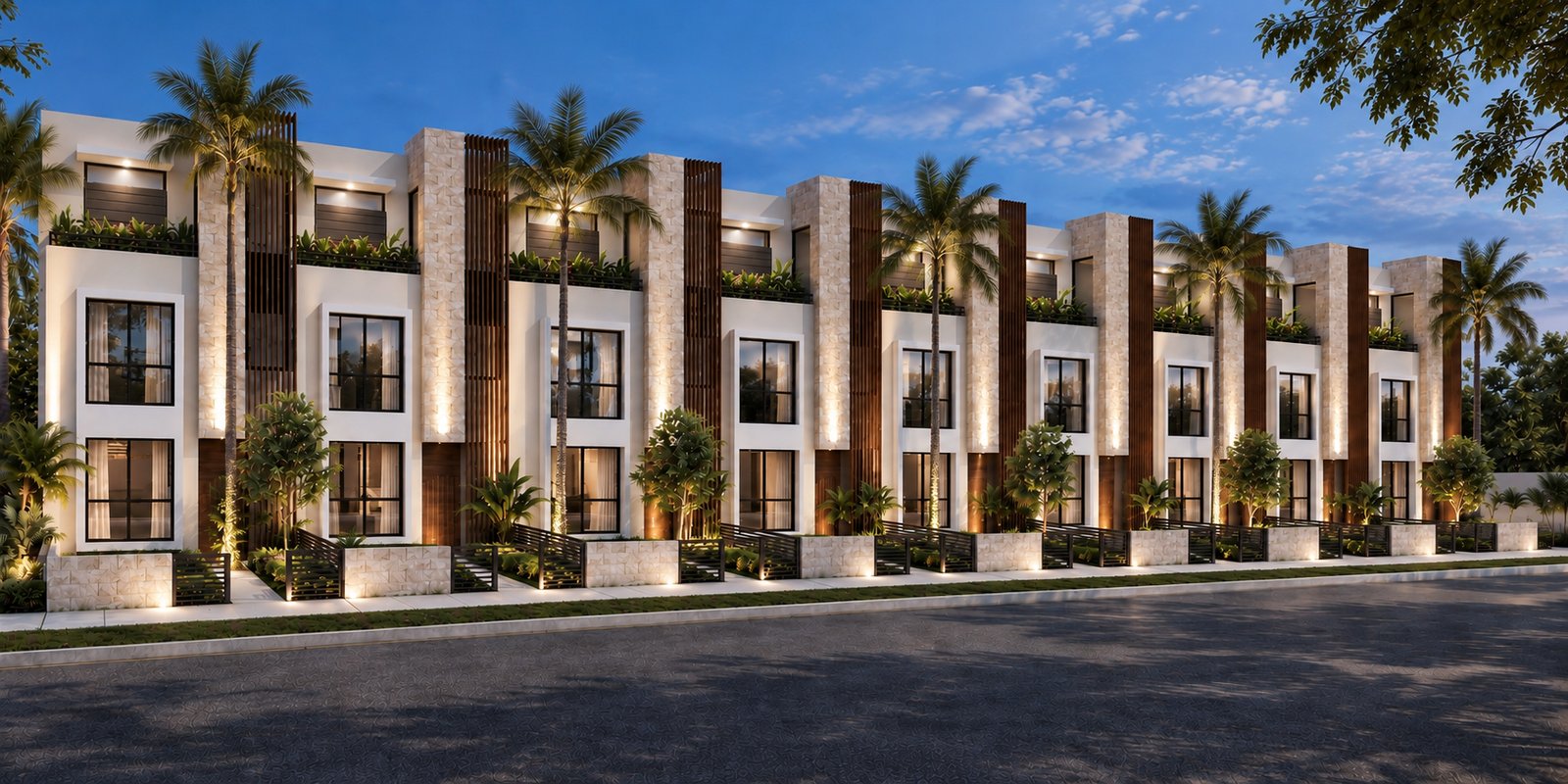
Whoever underwrites a developer doesn’t underwrite one project — they underwrite whether the capability repeats. Here is the same method at three different stages, at the same time.

The question nobody asks. A series.
Each episode opens with one question an investor hesitates to ask out loud, and ends with the number. Same format every time. The answer is the method, never a pitch.
- Episode 01
Apartments or commercial: where is the risk really?
- Episode 02
If the land is cheap, where does the value come from?
- Episode 03
Why Florida, and why not where everyone else is going?
- Episode 04
What can go wrong, and who pays for it?
Who holds the account?
Mount Olympus is a 50/50 partnership between two people. Ido diligenced funds for other people before he built anything himself; Yotam runs construction where it happens. Developer and sponsor are the same team, from signature to delivery.
About the partnersDon’t take our word for it.
Everything on this site can be checked in a public record: the company in Florida’s corporate registry, the land in the county property records. Check us before you call. Most sponsors would rather you didn’t.
The seven questions most sponsors hope you won’t ask
Seven questions to ask anyone selling you a deal. Including us.